About Cold Brew Brewing
Cold brew is not just iced coffee. It is brewed cold from start to finish, which changes what gets extracted from the grounds. Cold water pulls out sugars, acids, and most of the pleasant flavor compounds slowly over many hours. The bitter compounds that hot water grabs quickly mostly stay locked inside the grounds. The result is a smooth, often slightly sweet drink that many people who find hot coffee harsh on their stomach can tolerate easily.
There are two main styles. Concentrate uses about 1:5 coffee to water and is meant to be diluted before drinking, usually 1:1 with water, milk, or oat milk. Ready to drink uses 1:8 to 1:12 and is brewed at the strength you actually drink it. Most online recipes are concentrate recipes because concentrate stores better and takes up less fridge space. Both produce great cold brew when done right.
Brew time is 12 to 18 hours in the refrigerator. Room temperature works in 8 to 12 hours but produces less consistent results and carries a small risk of contamination during long warm steeps. Coarse grind is the standard. Fine grinds make the batch hard to filter cleanly and can over extract even at cold brew temperatures because they expose so much surface area.
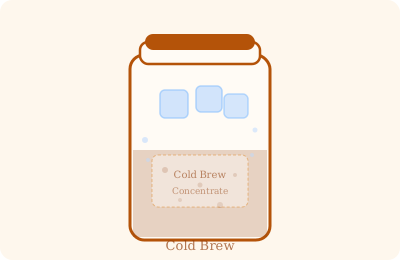
How to Make Cold Brew at Home
Concentrate or Ready to Drink
Concentrate (1:5 by weight) makes about twice the volume of finished coffee once you dilute it 1:1. So 500ml of concentrate gives you a liter of coffee. Ready to drink at 1:8 to 1:12 skips the dilution step. Concentrate is more practical if you want cold brew on tap for the week. Ready to drink is easier if you only make one batch and drink it down quickly.
The Filtering Step
After steeping, separate the grounds from the liquid. A fine mesh strainer catches most of them. Running the strained liquid through a paper coffee filter or cheesecloth a second time gets the rest and produces a much cleaner concentrate. The second filter step is slow but worth it. Skipping it leaves silt that settles at the bottom of your storage bottle and gets picked up when you pour.
Storing Your Batch
Cold brew keeps in the refrigerator for up to two weeks in a sealed glass container. Concentrate lasts longer than ready to drink because the higher coffee solids work as a mild preservative. Glass is better than plastic because plastic can pick up flavors over time. If your batch starts tasting flat or slightly off before two weeks, your container probably did not seal well or absorbed odors from the fridge.
Frequently Asked Questions
1:5 by weight, so 100g of coffee per 500ml of water. This makes a strong concentrate that you dilute 1:1 with water or milk before drinking. To skip the dilution step entirely, use 1:8 to 1:12 instead. Most commercial cold brews you buy at the grocery store are concentrate strength and get diluted in the bottle or at the counter when you order.
12 to 18 hours in the refrigerator is the standard range. Less than 12 hours often gives you a thin, underdeveloped flavor. Past 24 hours you start picking up some additional bitterness as extraction continues past the optimal point. Room temperature steeping works in 8 to 12 hours but the results are less consistent and the risk of spoilage goes up in warm kitchens.
Coarse, similar to what you would use for French press. Fine or medium grinds can over extract during the long steep and make the batch much harder to filter cleanly. The combination of coarse grind, cold water, and long steep time is what produces the smooth, low acid flavor cold brew is known for. Going outside that combination tends to give you something that tastes like watered down hot coffee.
Most often the grind is too fine, the steep is too long, or the temperature is too warm. Summer kitchen temperatures can push room temperature steeping into bitter territory faster than you might expect. Try a coarser grind, move the batch to the fridge, and stay in the 12 to 18 hour window. Quality of beans also matters, since cold brew amplifies any defects.
Any jar or pitcher works. Combine coarse ground coffee and cold water at your chosen ratio, stir to wet all the grounds, cover, and put it in the fridge. After 12 to 18 hours pour through a fine mesh strainer and then through a paper coffee filter or cheesecloth to clean it up. That is the entire process. A French press also works as a brewing vessel because the plunger handles the first filtration.
No. Iced coffee is hot brewed coffee chilled over ice. Cold brew is brewed cold from start to finish. The two taste meaningfully different because hot extraction pulls out flavor compounds that cold extraction leaves behind, including some acids and bitter notes. Iced coffee is brighter and more acidic. Cold brew is smoother and lower in perceived acidity. Neither is better, just different.
Medium and dark roasts tend to hold up well to dilution and stay recognizable through the long cold extraction. Light single origin coffees can taste flat in cold brew because their brightness and floral notes mute significantly when brewed cold. That said, this is not a strict rule. A high quality medium roast Ethiopian works beautifully in cold brew. Try a few options to find what you like.
Up to two weeks for concentrate and about a week for ready to drink. Store in a sealed glass container for best results. If it starts tasting flat or slightly off before that window, the brewing was probably fine but the storage container might not be sealing well, or it picked up flavors from other foods in the fridge. Glass with a tight lid is your safest bet.
The Coffee Ratio Team
We're coffee enthusiasts who built the most accurate brewing ratio calculator on the web. Our formulas are calibrated to Specialty Coffee Association (SCA) standards.